
I was four days into a six week trip around South America; it was a Saturday evening in early February and I was in a bar in Ipanema in Rio de Janeiro with some Spanish friends. Due to the time of year the carnival season had started and the streets were teeming with a mix of tourists and locals getting ready for a night of partying. The atmosphere was balmy but also frenetic as a sense of momentum was beginning to build; the informal street parties (known as blocos in Portuguese) were starting up. From afar you could hear the high pitch screeching of the whistles and the rumbling of the battery groups floating through the streets. You could hardly miss the “blocos”, they are made up of about a hundred people mostly wearing the colours of their samba school, but with an array of other outfits, wigs and fancy dress in the mix.
As the crowd got closer, the music got louder and the atmosphere became more electric, I wanted to make a video of this animated scene, so I got out my phone, raised it above my head to get a better view and pressed record. I probably only filmed for about 15 seconds or so, but it was obviously long enough to mark me out as the most naïve person on that street at that time. I went back to talking to my friends.
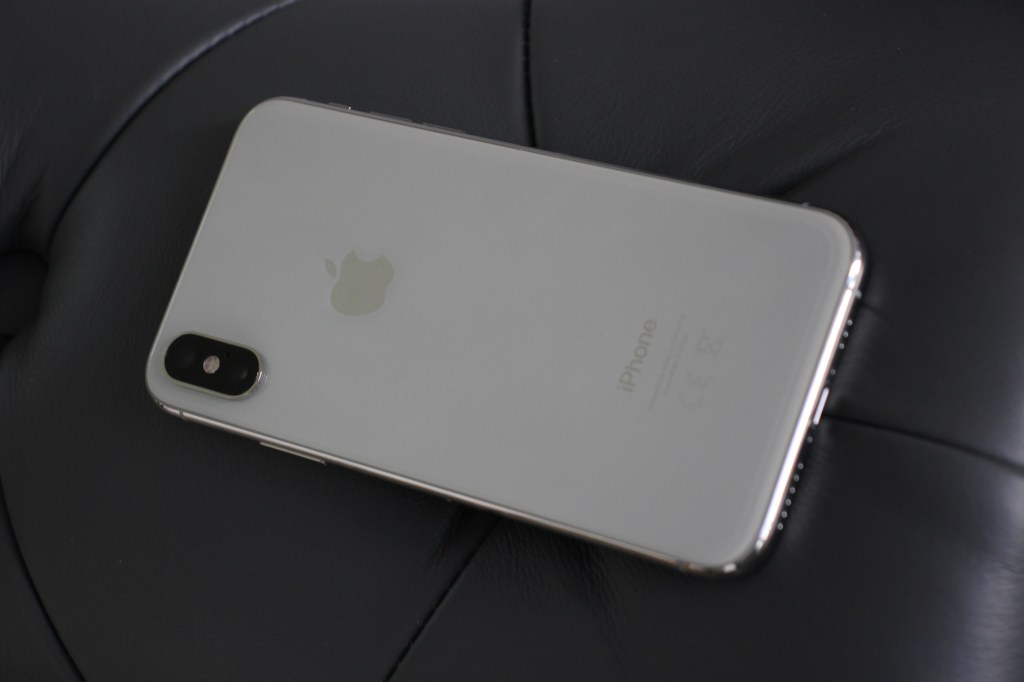
Some time later I went into the bar, and when I came back the street was thronging with revellers in full swing; the crowds were singing and dancing and carnival had filled the street. As I wandered back towards my friends I was suddenly surrounded by a group of three men and a woman. I wasn’t that alarmed initially as the notion of personal space is completely different to what it is in Europe; a complete stranger can walk up to you in the street and stand right next to you whilst asking you a question, something that is hard to deal with the first time you go to South America. With this in mind I tried to squeeze past the group, but it soon dawned on me what was going on. Two of them barged right up against me as I walked past and as an automatic reaction I raised my arms up to try and move them away from me. With my arms raised my shorts pockets were left unprotected and before I knew it there was a hand rummaging around in my pocket.
“My phone! My phone! Hey stop… Stop!”
I actually saw the guy who had robbed me disappear in to the crowd; he was huge at about 6,4” tall. He didn’t even run off, he just slid away into the multitude. His physical presence alone put me off going after him and with the violent crime levels what they are in Rio, I made an instinctive decision not to try and recuperate my phone from the thief.
When I tried to remonstrate with the other members of the group, they just shouted, “What? What?”, playing dumb as if they didn’t have a clue what was going on. It was all done in less than a minute. And by the time I’d realised what was going on, it was over. I’d been mugged, or pickpocketed, take your pick.
I told the bar manager what had happened and asked him to call the police; he more or less laughed in my face. “There’s no point, the police won’t be able to get your phone back! The thieves will be in the favela by now, you’ll just spend the whole evening at the police station filling in forms.” I suddenly felt a very long way from home. Reluctantly I conceded that he was right and I re-joined my friends. The silver lining was that I didn’t have my wallet stolen which was in the other pocket. It was the first time I’d been mugged so I was shocked at what had happened. They soon told me stories about how they had had similar experiences in other places like Barcelona, New York and Paris. Luckily security on modern day smartphones is good so I didn’t have any worries about my phone actually being used. I’m sure it would just be wiped clean as soon as possible. And the most things would be saved on the cloud, except for photos taken in the previous 24 hours.
It’s funny as I’d been warned a thousand times by Brazilians and non-Brazilian friends alike about being careful with my possessions, especially in Rio. This was my fourth time in Brazil and I’d never had a problem with safety or security before. And in some respects I naively thought that it would never happen to me, but it did; the bubble had burst. Maybe I had been lucky in the past, on this occasion I was unlucky.
Once I got back to the hotel, I went straight onto my laptop to let people know what had happened. As I have an Apple laptop I could send messages to others with Apple devices, and I fired off some emails. I then set about trying to block my phone; I logged on to the EE website, and had a fruitless text message conversation with a robot.
“Was this conversation helpful?”
“No.”
After a while I found out that the only way of blocking the usage of my phone was to call the helpline. But I’ve had my phone stolen…
I tried calling from the hotel reception but to no avail. I then asked to borrow a woman’s phone who I met in the reception and again the number didn’t work. I was now in a panic. In the end I managed to message my mum who was in New Zealand, and she managed from there to call EE and block my phone. What a rigmarole… I couldn’t believe that there wasn’t a way of blocking the thing online.
So that was it, I was phoneless. And for the first time in as long as I can remember I went to bed without a handset next to me.
The automatic reaction of people was; “Why don’t you just get another one?”
This thought had obviously crossed my own mind but the prices of electronic goods in Brazil are much higher in the UK due to import taxes. There is also no roaming in South America so I’d have to buy a new sim card in every town that I visited. But more to the point I wouldn’t have any of my numbers or contacts or even my British number, so how would I be able to get in touch with family and friends? I also figured that the day I bought a phone I would become a target once again for muggers (a bit cynical maybe).
After some reflection I decided to plough ahead with my life without a phone. I knew it was going to be slightly odd, but I thought how hard could it be? My parents’ generation never had mobiles when they went travelling. I also liked the idea of having a challenge, as if being alone in a country with the highest homicide level in the world wasn’t enough of a challenge…
Whilst still in Rio things actually weren’t that hard as you can normally find who you are looking for on the beach at Copacabana or Ipanema. But soon the sheen wore off and I was beginning to realise what an undertaking it would be.
Having emailed my friends the day I was mugged the emails came back in drips and drabs over a two week period. And then there were the friends who replied three weeks later, and there was also a group who mysteriously never replied. A lot of the time these were people who had changed their email address since I last emailed them, and in some cases that was a long time. Facetime on my laptop was a lifesaver but this only worked for those who use Apple devices and if you want to have a call you have to arrange a time and be ready, sitting at your laptop. This can be tricky if you’re abroad due to the different time zones. I also unearthed my old Skype account with the profile picture of me looking like a child and the myriad of contacts that I no longer recognise.
“Who is he?”
Some of the names and faces were utterly unfamiliar. But I found Skype to be patchy and unreliable. Obviously the main platform I was missing was WhatsApp. Not having the ability to instantaneously message individuals and groups was the main inconvenience from the off.
I found out that you can’t upload photos or send messages on Instagram if you don’t have a phone. Messaging from a laptop is not allowed. And it lead me to ask why Instagram only lets you upload photos from your mobile? I guess it’s because they want to be with you all the time.
Twitter ended up being my go to site as its’ functions did not differ whether on phone or laptop, so I could still post pictures and videos as well as sending direct messages. The only slight drawback of Twitter is that most people use it more as a work related platform and very few of my family and friends have it, so whilst it was useful in terms of messaging or getting in touch with some people, it had a limited effect. As I don’t use Facebook, Twitter became really useful on the trip mainly for catching up on the news.
After I had my phone stolen I became extremely careful and cautious when going out and about and I actually started following the advice that everyone had been giving me for so long, i.e. just take out a small amount of cash with you when you leave the hotel, nothing else.
There was an element of liberation to not having a phone at the same time as the downsides. For a short period I wouldn’t have Apple or Google or whoever else tracking my every move and my every internet search. I also had the situation whereby nobody could call me once I had left my accommodation. As I was travelling there was an element of freedom that I enjoyed. It was me on my own, back to basics. It was like being 15 again strolling into town, only now it was 2020 and I was in Rio de Janeiro…
However there were things that I did find shifty about not having a phone; if there was an emergency and I did need to call the police, I wouldn’t have been able to. Inevitably when you are in Brazil you can end up in some edgy situations and knowing that I wouldn’t be able to call in an emergency did make me feel uncomfortable at times.
The situation made me become much more resourceful and organised out of necessity. I would have to plan exactly where I was going each day and write down all the addresses of places to visit and the transport links of how to get there. As I had no Google maps to check en route, I had to ask for directions a lot, which made me practice my Portuguese and Spanish more than usual. One of the key learning strategies for improving your foreign language skills is to get out of your comfort zone, and without a phone in your pocket you are out of your comfort zone the whole time! So I can at least say that I my communication skills improved. A lot of the time though, when I was asking for directions people would dismissively quip,
“Just look it up on Google Maps.”
“OK Thank you.”
That also happened when I was looking for new sites or places to visit, people would say,
“Just have a look on Google, you’ll find lots of options there.” When I replied that I had had my phone stolen, they sometimes looked shocked and offered to Google the topic for me on their phone.
Inevitably I ended up spending more money on the trip because I couldn’t use Uber. Not only are they more economical but they are seen as being a much safer option in South America for getting around. Regular taxis have a tendency to rip you off and take you on wild goose chases around the town whilst the meter is running. Over time I began to miss other uses of my phone. I always found it good to know how many kilometres I had walked in a day. On interesting days I’d walk 10 – 15 km whilst getting to know a new place. This is useful information especially if you don’t have the opportunity to work out much, as is the case when you’re on the hoof.
Whilst I was walking around Montevideo in Uruguay trying to orientate myself, I came across something I hadn’t seen in years – an internet café! This was a relief as it meant I could check my emails and generally have a browse. The places barely exist anymore in the UK so I was pleasantly surprised. I slotted in next to the gamers and some of the other lost travellers like myself with huge fans buzzing in the background. I logged in to these massive white Microsoft computers that actually worked really well. Things were going fine until I tried to open my email account (having had to relearn my password) when a message came up.
“Someone has logged onto your email account from an unknown location. Please enter the security confirmation code that has been sent to you mobile phone now.”
It seems all roads lead back to the phone. I had to log out and move on.
Another thing I missed was not having a portable camera in your pocket; sitting in a park on the coast in Montevideo, Uruguay as the sun turned the sky purple, white and orange across the Atlantic Ocean I thought it would be great to send an image of this idyllic scene to my family and friends. If I wanted to get a photo like that I would have to take out my camera and wait until I got back to my accommodation to upload the shots. This meant I had to be less spontaneous about what I posted and but also that I had more time to reflect on my online content.

It was not just for taking pictures of interesting places that I had visited that was useful but also taking photos of things I needed to remember such as bus timetables or opening times. Normally I would take a quick shot of the page in question and forget about it until I needed the information, now I had to write everything down on a note pad but frequently on the back of my hand.
The thing that you really notice is the lack of convenience that having a mobile facilitates. I remember going in a taxi to Buenos Aires airport and realising that I hadn’t checked in online before I left the hotel. Normally I would have done this en route in a few minutes. And I wanted to check the exchange rate between the Argentine Peso and the Brazilian Real and to see if I could get a decent rate at the airport. I also wanted to check the weather in my destination, Campinas, São Paulo to see if the flight was likely to be delayed. All of these things go on the backburner when you don’t have a phone and you’re left wondering about them.
Making new contacts whilst I was travelling was also difficult without a phone. WhatsApp is hugely popular in South America and is used by companies as well as for social reasons, and without it, it was really complicated trying to get in touch with people. I had to give people my email address or take theirs which seemed like a cumbersome way of organising to meet up. Some people were completely fine with it and there was no issue, but for some replying to an email for a social event seemed like too much of an effort. There was also the language barrier issue of trying to spell out my email address in Portuguese or Spanish and most of the time I ended up writing it myself on people’s phone for them.
Then there was the experience of noticing just how much time people spend on their phones. We’ve all had the experience of seeing a family of four in a café and all of them glued to their screens, only putting the things down when their food arrives. This isn’t an unusual thing to see but you notice it more, because if you had your phone you’d be busy looking at it yourself! But it raises the question, is someone on the other side of a video call or on a screen more interesting than a real person?
The main concern about this situation is the amount of electricity we are using to power all of these phones; it must be going up exponentially every year. The impact on the environment must be colossal and I doubt all the paper we are saving is enough to compensate for it.
And then there’s the untoward and sinister stuff that goes on, on people’s phone’s screens. I only really paid attention to this because the absence of my own phone accentuated the point. The worst of these things would be people watching videos of things you really do not want to see on public transport. Due to the size of the screens on modern phones, it is almost impossible not to see or hear a video that a passenger sitting in front of you is watching. But there’s actually very little you can do in that situation, exposure to the content is almost unavoidable.
And then there’s the endless conversations that seem to go on forever on long bus journeys. Sometimes I feel like going up to another passenger and saying,
“I don’t care what you’re going to do to your girlfriend when you get home, or what she thinks of it!”
But again you’re probably better off keeping that information to yourself.
When I got home and ordered my new phone I had the same fun and games and jiggery pokery with EE. After offering me a deal to get a new handset, they then rescinded that deal blaming the coronavirus crisis and subsequently offered me a more expensive package. Surely a sign of things to come.
Now that I’ve ordered my new phone I’m really looking forward to getting back in touch with all the people I haven’t spoken to for the last two months, in what has been a turbulent time. I’ve realised that life without a phone in the 21st century is almost impossible if you want to work, travel, socialise or generally have a life. Whether we like it or not these small computers in our pockets are now indispensable for getting by.
 WilliamGAFrost
Leave a comment